


AI Wedding Photo Generator — Editorial Bridal Portraits
Wedding imagery is a fabric problem. A dress is lace over tulle over satin, each layer catching light differently, and any render that flattens those into one white shape reads as costume immediately. The same is true of the bouquet, where individual petal edges are what separate a real arrangement from a green blob. These templates are built around that material detail — editorial bridal portraits in the magazine idiom, bouquet-forward compositions, and a seaside evening setup for something less formal. Upload one photo; free credits at sign-up cover your first renders and downloads are HD without a watermark.
Try it freeChoose a template



What separates these five
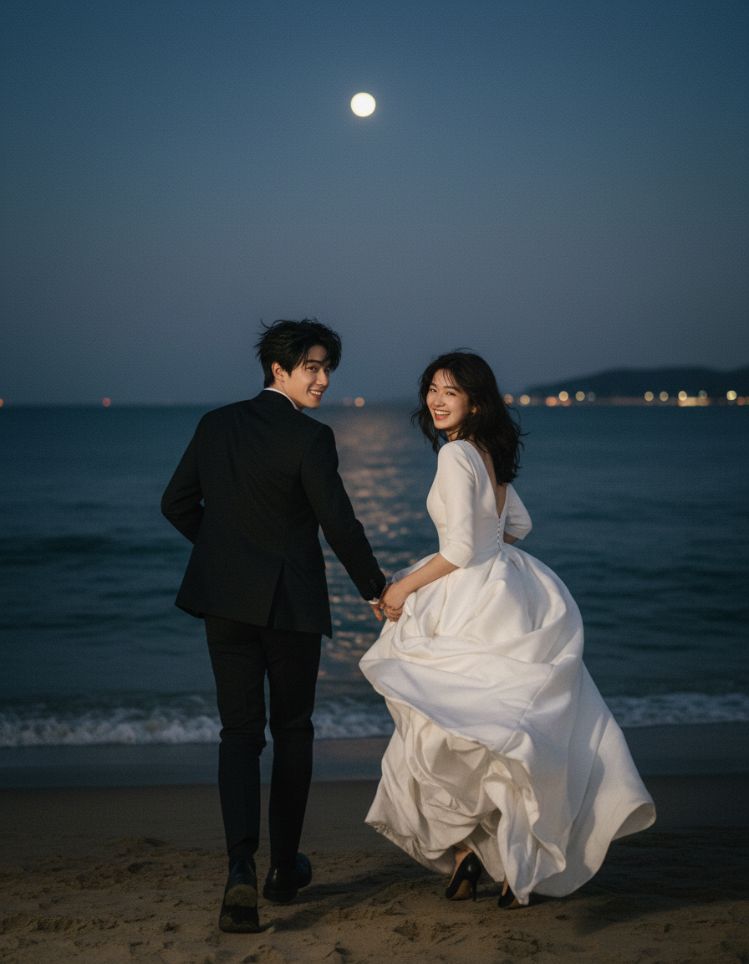
Two are bouquet-forward — the flowers are the compositional subject and the portrait is built around them, which suits a close crop. Vogue wedding photos is the editorial option: magazine framing, more dramatic light, the least literal of the set. Wedding dress is the straightforward bridal portrait where the garment is the point. The seaside evening template is the informal one, warm and loose rather than formal. If you are unsure, the editorial template tolerates an imperfect source photo best because its lighting is stylised anyway.
Fabric is what makes or breaks it
A wedding dress is lace over tulle over satin, and each layer takes light differently — that layered translucency is the entire difference between a dress and a white shape. These templates specify the layers rather than the garment, which is why the results hold up when you zoom in. The bouquet works the same way: individual petal edges and slight asymmetry, because a bouquet described as one object comes back as a green and white blob. You do not have to write any of this; it is why the templates exist.
Using these honestly
These are stylised portraits, not documentation of an event. People use them for save-the-date cards, pre-wedding announcements, and for deciding on a look before a real shoot — all reasonable. What is not reasonable is presenting a generated image as a photograph of a wedding that happened. If you send one to guests, say what it is. That costs you nothing and avoids a conversation you do not want to have later.
Group shots and second subjects
Supply here is single-subject, so a two-person composition is better served by the couple templates, which are built to hold both faces on one exposure. If you want a bridal party, expect likeness to degrade with each additional face — more people in frame means fewer pixels per face before the styling pass. One or two subjects is where this works.
How it works
- Choose the register first: editorial, bouquet-forward, straight bridal, or informal seaside.
- Upload one front-facing photo with shoulders visible so the neckline can be placed correctly.
- Generate and look at the fabric before anything else — lace and tulle are where fakeness shows.
- For a couple rather than one person, switch to the couple templates instead of forcing this one.
- Download at full resolution; there is no watermark.
- If you share it, label it as a generated image rather than a photograph.
FAQ
Can AI generate a wedding photo from a normal picture?
Yes. Upload one clear photo and the template applies the dress, setting and lighting. It is a stylised portrait rather than documentation of an event that happened.
Why do AI wedding dresses often look fake?
Because lace, tulle and satin get collapsed into a single flat white surface. These templates specify the layers separately, which is what restores the sense of real fabric.
Can I use this for save-the-date or pre-wedding shots?
People do, and the editorial templates suit it best. Be straightforward with guests about what is a generated image and what is a photograph.
What source photo works best?
Front-facing, even light, shoulders visible. The template needs to see where the neckline sits to place the dress convincingly.
Is it free?
Sign-up credits are free and cover your first generations; higher-resolution renders cost more credits.