
How to Choose the Right AI Video Template
Reviewed 2026-08-16
A large template library is useful only when each choice narrows the work you must do. The preview shows the intended result, but the decisive details are the required input, generation mode, model, motion pattern and credit cost. This guide gives you a quick selection order that works before you upload anything, explains which labels are meaningful, and shows when a prompt-first workflow is a better choice than forcing an idea into the nearest-looking preset.
Browse AI video templatesStart with the input you actually have
The first filter is not style; it is input type. If you have no source image, choose text-to-video. If a specific subject or composition must remain recognizable, choose image-to-video. Some templates require one image, some multiple reference images, and some accept a start and end frame. A beautiful preview is irrelevant if the workflow needs assets you do not have. Check every upload slot before comparing models or prices, because input compatibility eliminates most unsuitable templates immediately.
Read the preview as a motion promise, not a quality guarantee


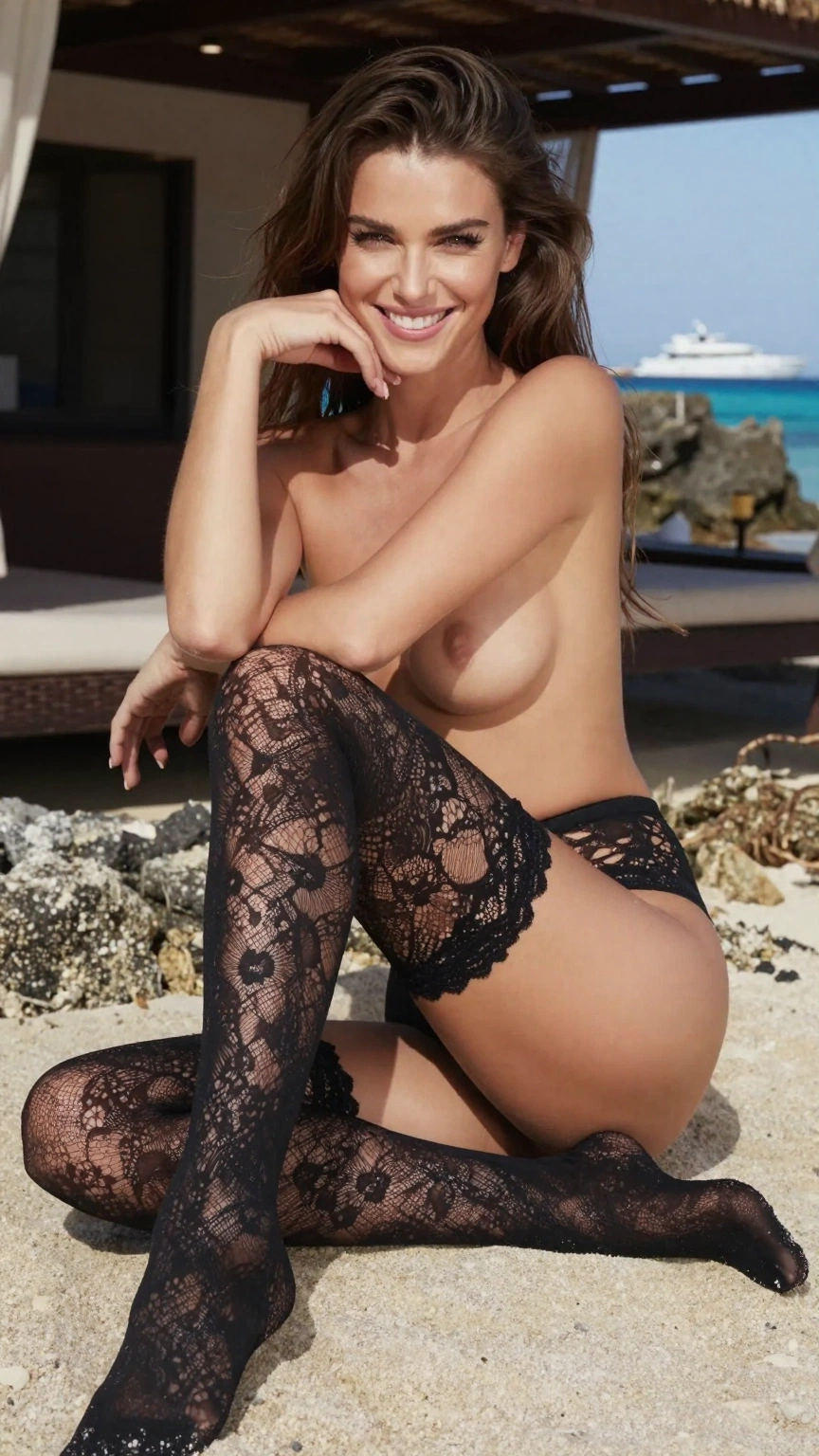
A template preview demonstrates the kind of movement and framing the preset is designed to request. It does not guarantee the same face, wardrobe or background from a different source. Look for the transferable part: slow portrait movement, fixed-camera action, orbit, transformation, dance, or scene transition. If your desired motion differs from the preview, the template is likely the wrong starting point even when its subject looks similar. Choose by what changes over time, then supply your own compatible subject.
Use tags to narrow intent, then inspect the real prompt
Tags are useful for reducing a large catalog to a manageable theme, but nearby tags can describe very different shots. Open the detail page and read the visible prompt. It reveals whether the template depends on a fixed camera, a specific pose, rapid motion, a close-up or a long sequence of events. Prefer prompts with one clear action and a framing constraint. A page whose title is attractive but whose prompt asks for several unrelated actions will be harder to adapt and more likely to drift.
Choose model and duration as separate decisions
The template chooses a model because that model can execute its workflow, but duration and resolution determine much of the cost. Do not select the longest option just because it is available. First decide whether the movement fits the model and template; then test the shortest duration at a sensible resolution. A short successful clip provides more useful evidence than one expensive long attempt. Extend only when identity, framing and motion already hold throughout the test.
Prefer a stable simple template for the first test
When evaluating a new source image, start with a template that keeps the camera and subject movement modest. This separates source quality from effect complexity. If the simple version drifts, change the source or generation mode. If it works, move to a more ambitious camera or action template. Beginning with the most dramatic effect hides the cause of failure because the source, motion, framing and model are all being tested at once.
Know when to leave templates and use a custom prompt
Templates are best when your goal matches a proven motion pattern. They are not a requirement. If you keep rewriting most of the preset, changing its camera, replacing its action and ignoring its preview, open the custom generator instead. Start from the model and write one direct shot. A template should remove decisions, not create a negotiation with a prompt built for another scene. Save the preset for ideas that genuinely resemble its motion and input structure.
How to use it
- Filter by generation mode: text-to-video when the subject can be invented, image-to-video when it must be preserved.
- Confirm the number and kind of required uploads before judging the preview.
- Choose a preview whose motion and framing match your idea, not merely one with a similar-looking subject.
- Open the detail page, read the prompt and prefer one clear action with a framing constraint.
- Test at the shortest duration and review identity, framing and motion before extending.
- Use the custom generator when your idea requires replacing most of the template prompt.
FAQ
Should I choose an AI video template by model name?
Start with input type and motion. Model matters after the workflow fits; a powerful model cannot make an incompatible input or motion pattern suitable.
Does the preview guarantee my result will look the same?
No. It demonstrates the intended motion and framing. Your source image, prompt compatibility and generation settings still determine the result.
Is a longer AI video template better?
Not automatically. Longer clips cost more and give identity drift more time to accumulate. Test the shortest duration first.
When is a custom prompt better than a template?
When you need to replace the preset’s main action, camera and framing. A template should remove decisions; if it does not, start from the model directly.
Templates powered by How To Choose Ai Video Template