
Creator playbook · prompt to moving shot
Text-to-video works best when a prompt reads like one achievable shot, not an entire screenplay. The examples below show how to separate subject motion from camera motion, choose a model by the kind of failure you can tolerate, and review continuity before paying for a final render.
Editorial review:
Motion examples to study frame by frame
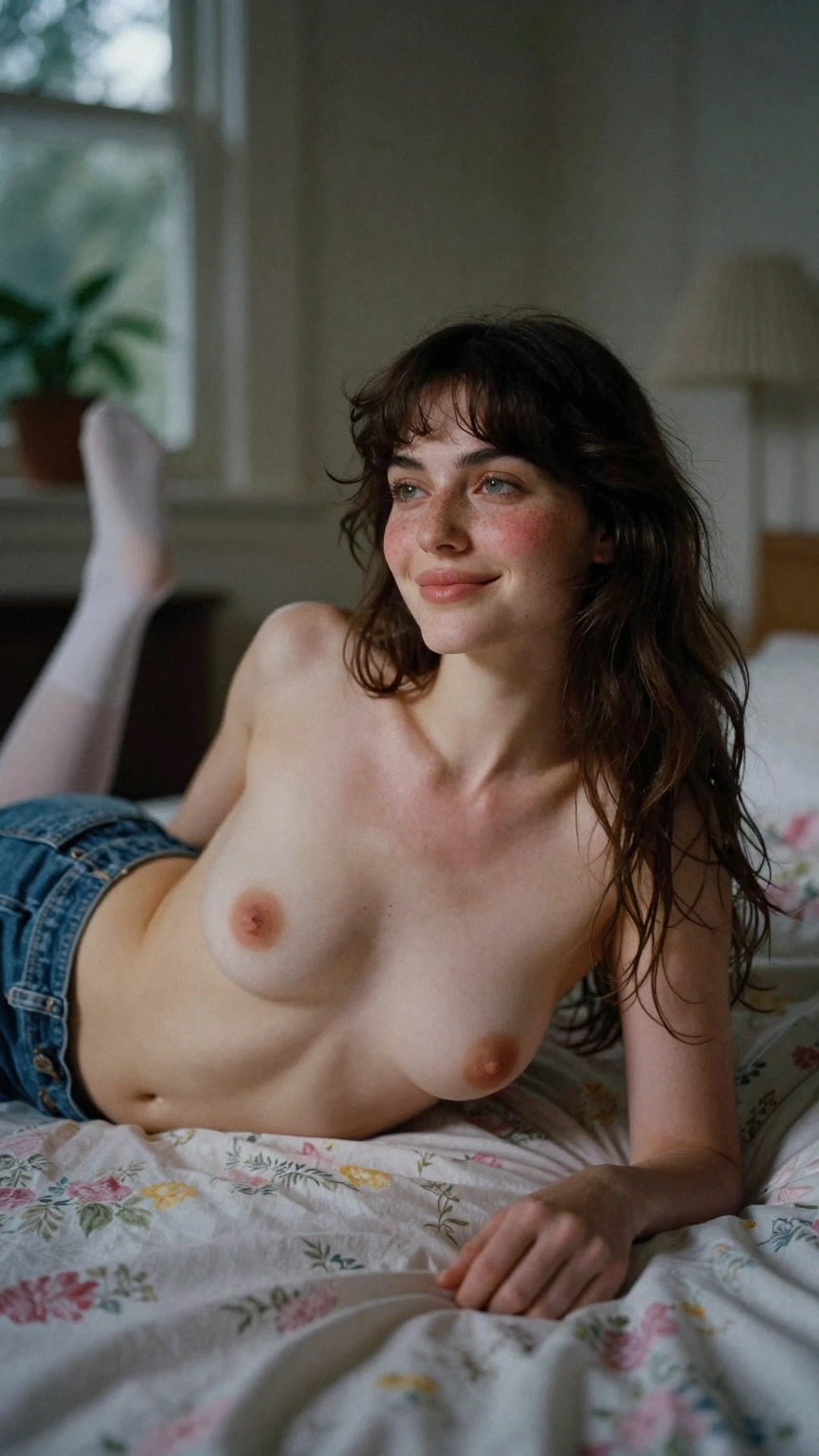
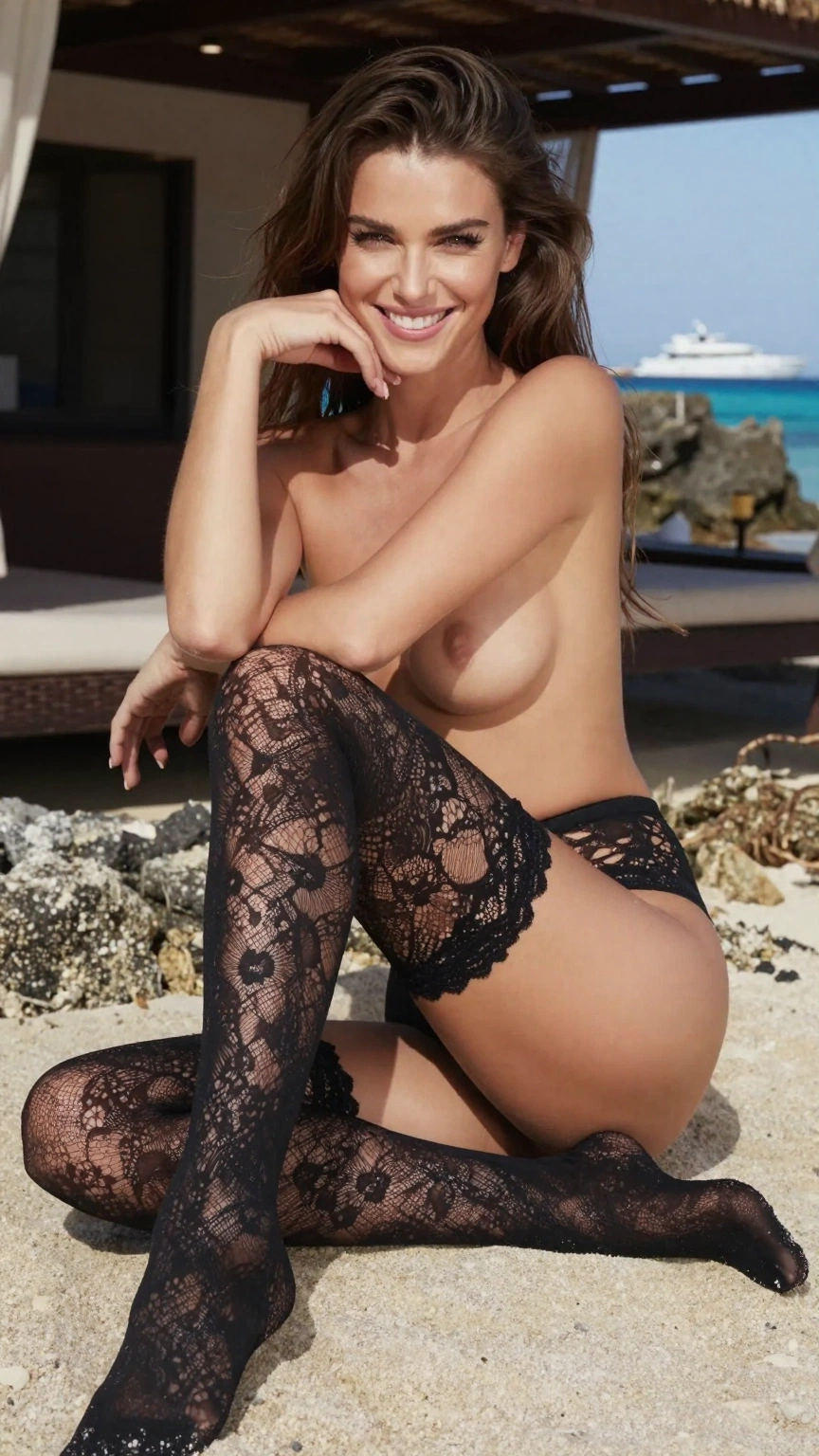

These XXXCut previews demonstrate the continuity checks that matter for any prompt-to-video workflow: stable identity, believable contact, controlled camera movement and a background that does not melt between frames. They are product examples, not a claim that one hidden prompt produced every clip.
 03
03 04
04 05
05 06
06Three shot briefs, from simple to demanding
Each starter prompt describes a single shot. The settings show the decisions to make before rendering; the finding explains what to inspect rather than pretending every generation succeeds first time.
A controlled portrait push-in
The safest first text-to-video test: one person, one action and one camera move.
A fictional adult woman stands beside a rain-streaked window at night, slowly turns toward camera and exhales, subtle hair movement, warm lamp behind her, slow dolly in, shallow depth of field, continuous single shot.
- 5 seconds
- 9:16
- Seedance or Kling
- One camera move
Keep the subject action quieter than the camera move. When both are aggressive, facial consistency usually degrades before the shot reaches its final frame.
Product motion without identity drift
A commercial-style shot where material behaviour matters more than narrative.
Close product shot of a silver perfume bottle on black stone, a narrow beam of light sweeps from left to right, fine mist crosses the background, camera makes a slow fifteen-degree orbit, crisp label, no cuts.
- 5 seconds
- 16:9
- Kling
- Low motion strength
State the object’s material and limit the camera arc. A full orbit asks the model to invent an unseen back side, while a short move preserves product geometry and label placement.
Two beats in one continuous shot
A harder narrative prompt that still fits within a short clip.
Wide shot in a quiet hotel corridor: a fictional adult man closes one door, pauses as the elevator bell sounds, then looks toward the elevator; locked camera, soft tungsten lights, natural pace, no scene change.
- 10 seconds
- 16:9
- Wan or Seedance
- Locked camera
Sequence actions with “then” and remove camera motion. Ten seconds can hold two small beats, but adding a cut, a new location or simultaneous dialogue turns the prompt into a storyboard problem.
Model selection for text-to-video
Choose by the shot’s hardest requirement. Availability and credit price can change, so the generator remains the source of truth for the exact selectable version and cost.
| Decision | Kling | Seedance | Wan |
|---|---|---|---|
| Best fit | High-fidelity hero shots | Cinematic camera language | Fast prompt iteration |
| Motion style | Controlled and polished | Expressive and cinematic | Direct and economical |
| Use first when | Geometry must hold | Framing carries the mood | You need many drafts |
| Watch for | Higher credit cost | Over-described shots | Fine-detail drift |
From sentence to usable shot
Write one shot, not a story
Limit the prompt to one location, one subject focus, one primary action and one camera behaviour. Split a story into separate generations.
Put motion in its own clause
Describe subject motion and camera motion separately. This prevents adjectives about appearance from being interpreted as actions.
Draft at five seconds
A short draft reveals whether the model understood framing and direction before a longer, more expensive generation compounds the mistake.
Review continuity, not just the first frame
Scrub the full clip and check face shape, hands, contact points, background geometry and the direction of travel.
Extend only a proven shot
Move to ten seconds or a higher tier after the short version works. Keep the winning prompt and alter one setting at a time.
Good fits for prompt-to-video
Concept previsualization
Turn a written shot idea into something a collaborator can react to before committing to a full production or detailed storyboard.
Short social loops
A single readable action and vertical framing suit five-second posts, teasers and background loops better than plot-heavy prompts.
Atmosphere and establishing shots
Weather, light, camera drift and environmental motion can communicate a location without requiring precise dialogue or multi-character choreography.