



Field guide · generation and editing
Qwen is most useful when a request contains several constraints that must survive in the same frame. This guide turns that strength into a repeatable workflow, with real XXXCut template media, starter prompts, settings to preserve, and honest checks for text, anatomy, identity, and composition.
Editorial review:
Qwen output, inspected rather than advertised
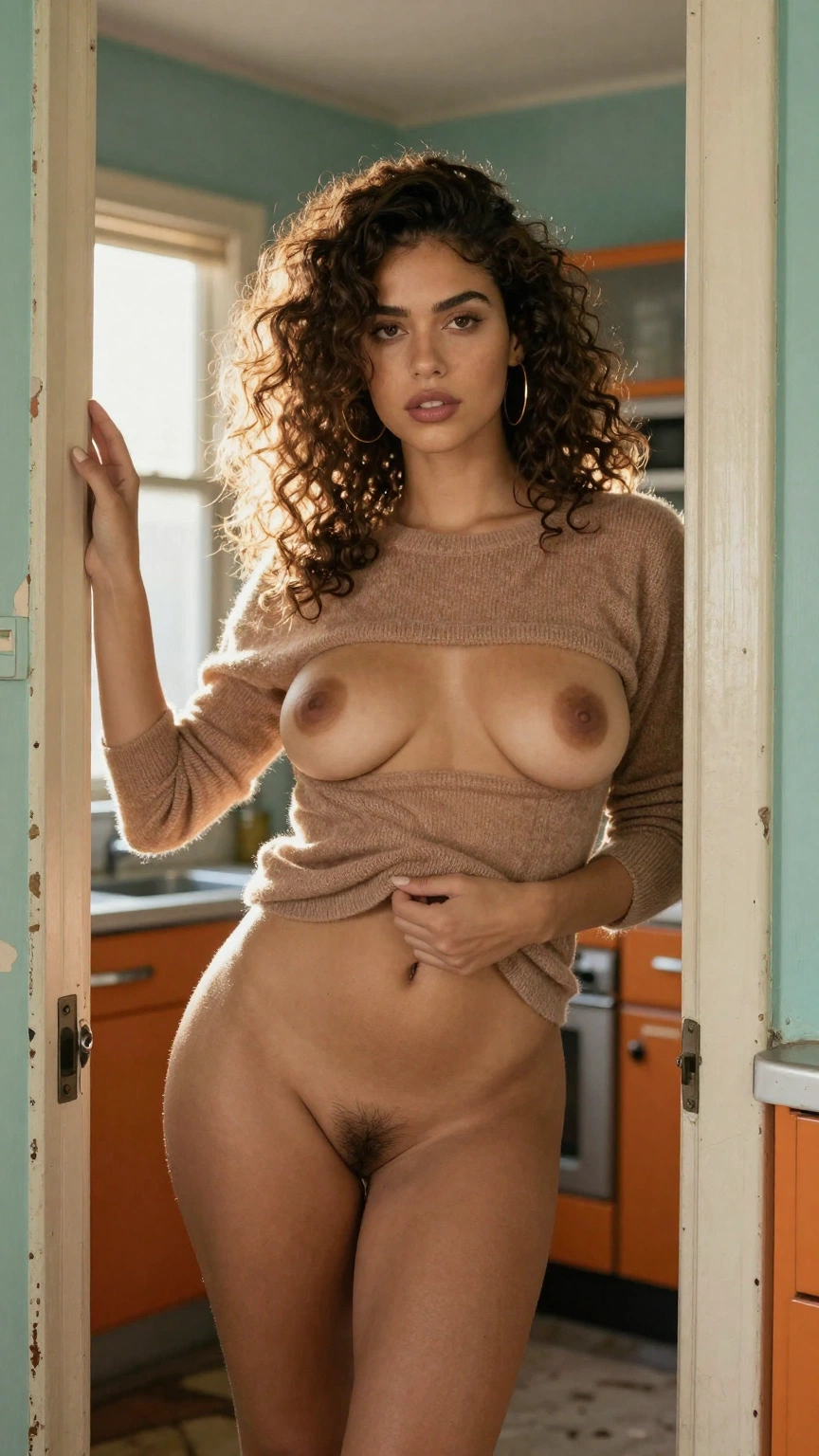
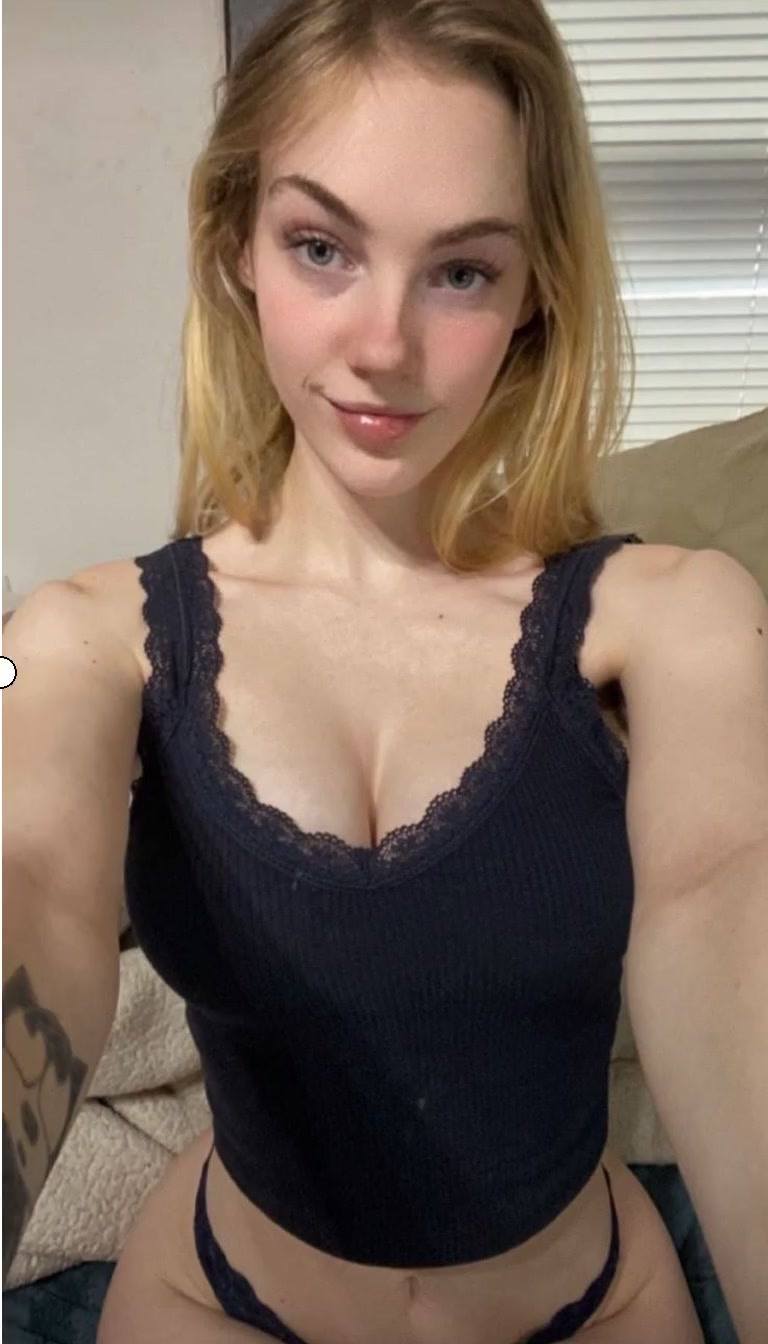
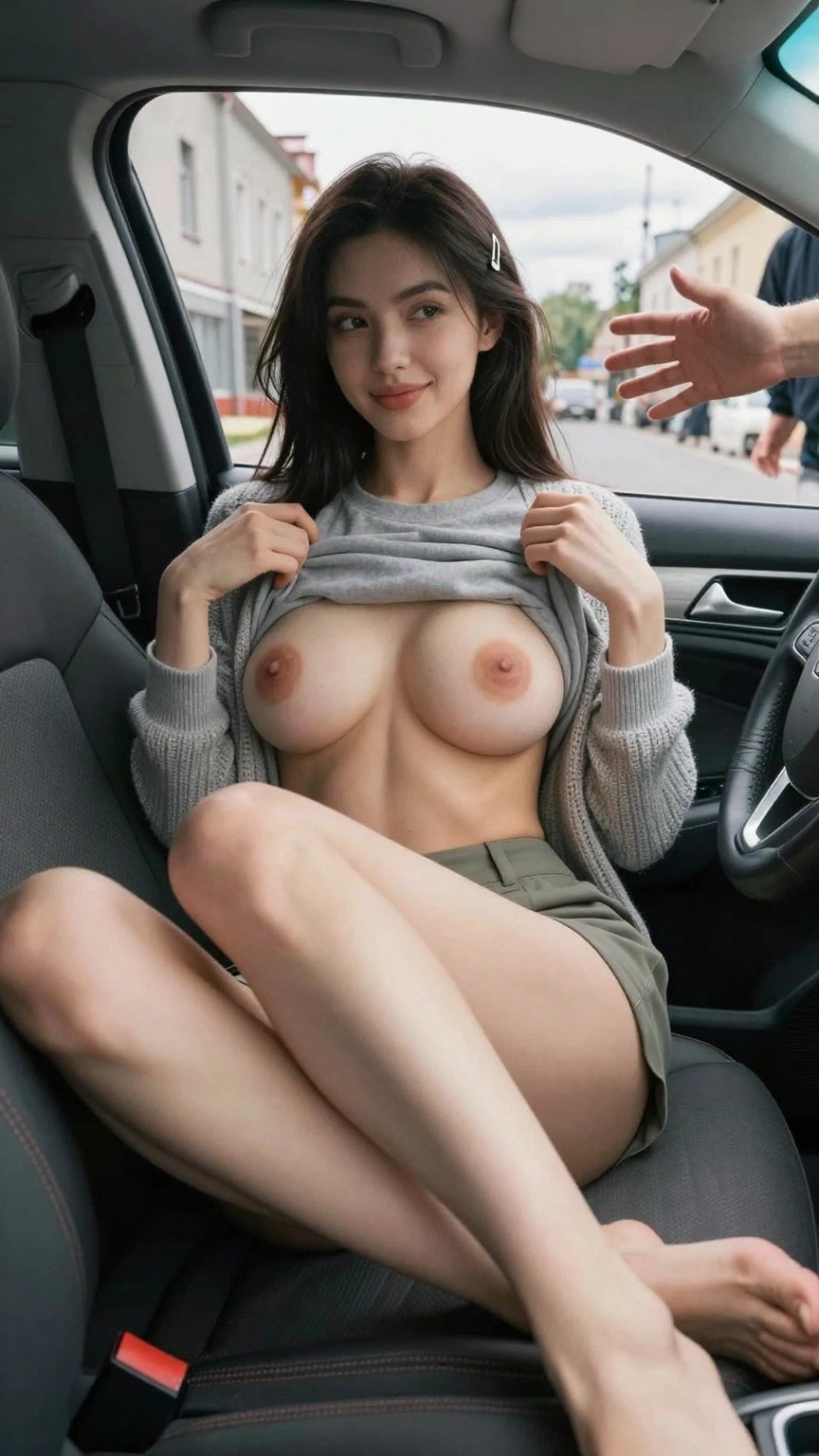
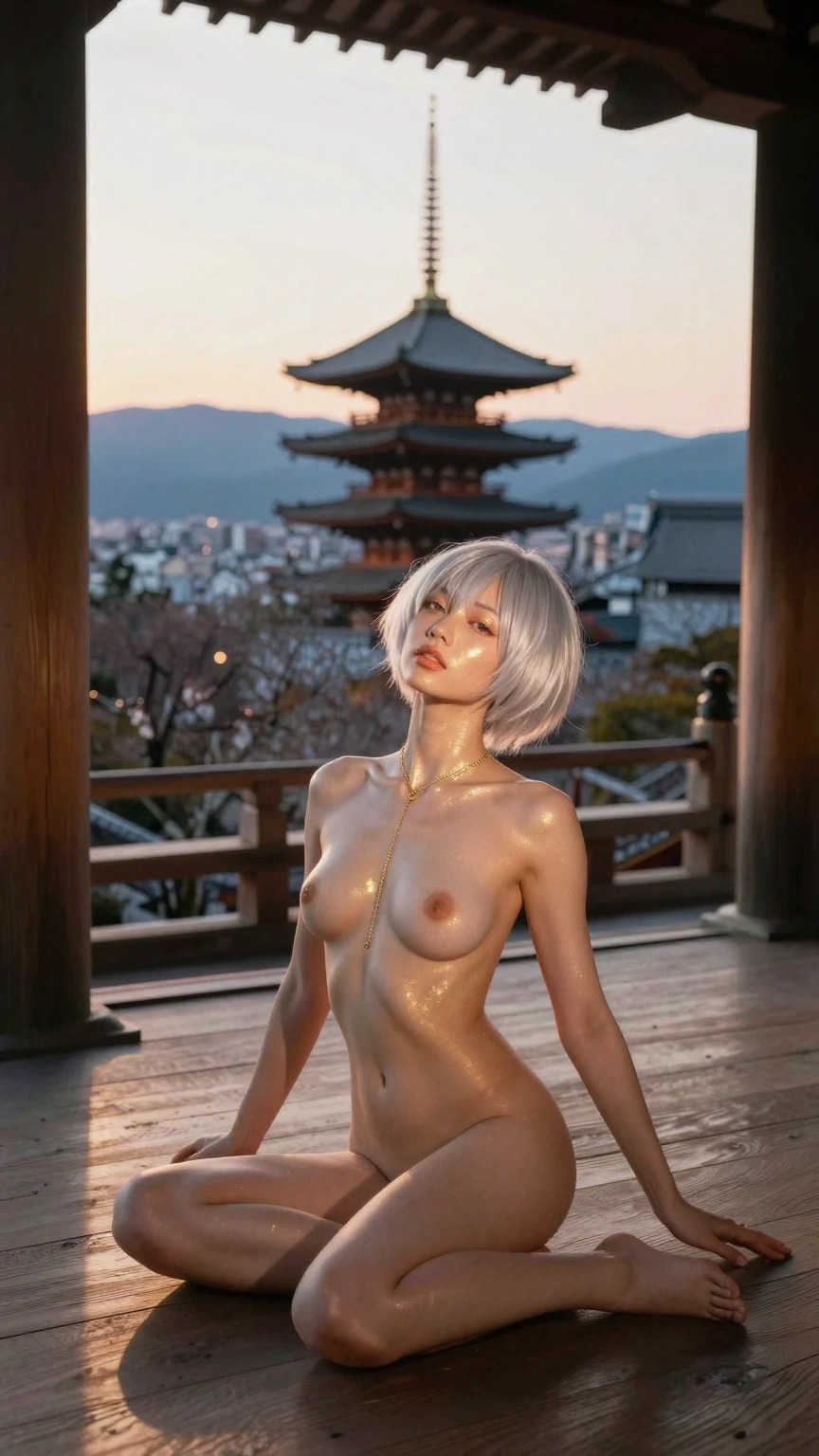
These examples come from the Qwen-powered portion of XXXCut’s template library. Open each frame at full size and check the details that usually reveal a weak generation: lettering, fingers, reflected faces, fabric edges, and whether the subject remains recognizable across an edit.
 03
03 04
04 05
05 06
06Three prompt patterns worth reusing
These are editorial starter briefs, not hidden template prompts. Change the subject and styling, but keep the constraint order: subject first, then action, scene, light, camera, and finally the details that must not change.
A poster with readable type
A layout test for Qwen’s text rendering and its ability to reserve negative space.
Editorial cinema poster, one adult woman in profile, black satin jacket, warm rim light, empty upper-left quadrant, title “AFTER MIDNIGHT” in narrow white capitals, no other lettering.
- Qwen Image
- 4:5 portrait
- One quoted text string
- High contrast
Treat every piece of copy as an exact constraint and ask for only one text block per pass. If spelling fails, simplify the font description before changing the scene.
Change one attribute, preserve the frame
An edit where success is measured by what does not move.
Keep the person, face, pose, camera angle, background and lighting unchanged. Replace only the existing jacket with a dark red tailored blazer in matte wool, with realistic seams and lapels.
- Qwen Image Edit
- Original aspect ratio
- One edit variable
- Reference image
A preservation list is more reliable than saying “keep everything the same.” Name the face, pose, camera, background and light explicitly, then make a single requested change.
A dense editorial scene
A multi-constraint generation that tests composition without burying the subject.
Wide editorial photograph of two fictional adult models waiting beside a chrome elevator at night, emerald and ivory tailoring, rain reflections, one red practical light, 35mm lens, symmetrical framing, natural hands, no text.
- Qwen Image
- 16:9 landscape
- 35mm camera cue
- Two subjects
Group related requirements instead of writing a stream of adjectives. The model can satisfy a dense brief, but competing camera directions or several lighting setups still create avoidable drift.
Choose the model by the failure you cannot accept
There is no universal winner. The useful question is whether your job is primarily literal instruction following, photorealistic rendering, or preservation during an edit.
| Decision | Qwen Image | Seedream | FLUX Kontext |
|---|---|---|---|
| Best fit | Dense prompts and text | Photoreal final frames | Surgical image edits |
| Strongest control | Multiple explicit constraints | Light, skin and detail | Identity and composition |
| Watch for | Overloaded layouts | Literal text rendering | Large scene changes |
| Start with | Structured paragraph | Visual description | One-change instruction |
A production workflow that wastes fewer credits
Write a visual checklist
List the subject, action, scene, light, camera and exclusions before turning the list into prose. This makes omissions visible before generation.
Generate the cheap composition pass
Use a moderate size and judge framing, pose and text placement. Do not spend on a final render while the large shapes are still wrong.
Lock what already works
For an edit, name every element that must remain unchanged. Change one variable per pass so you can diagnose the source of drift.
Inspect at full resolution
Zoom into typography, hands, reflections, jewellery and hair boundaries. A strong thumbnail can still hide a failure that matters in the downloaded image.
Run the final aspect ratio once
After the prompt survives the draft, render the delivery ratio and download the unwatermarked original instead of repeatedly changing both prompt and format.
Where Qwen earns its place
Campaign graphics
Use Qwen when a frame needs a subject, a controlled palette, reserved copy space and a short piece of readable typography at the same time.
Wardrobe and environment edits
A preservation-first instruction makes it practical to change clothing, set dressing or background without rebuilding the whole portrait.
Reference-heavy concepts
Dense art direction is easier to audit when each required object, material and camera cue can be checked against one generated frame.